

From Robot Kits to Real Engineering: The Spark and the Fuel
July 15, 2026 · Jeffrey C. Dunnihoo
You hand a kid a robot kit and ten minutes later they’ve "pretty much built a little Roomba" and everyone cheers. But a few years later they’re in their first job staring at a real production problem they don’t understand, wondering why it only fails on Tuesdays. After decades designing hardware that has to survive the real world, I’ve learned the hard part isn’t the fun proto: it’s the physics and math in the design, and failure analysis of the disaster that make things actually work when it counts.
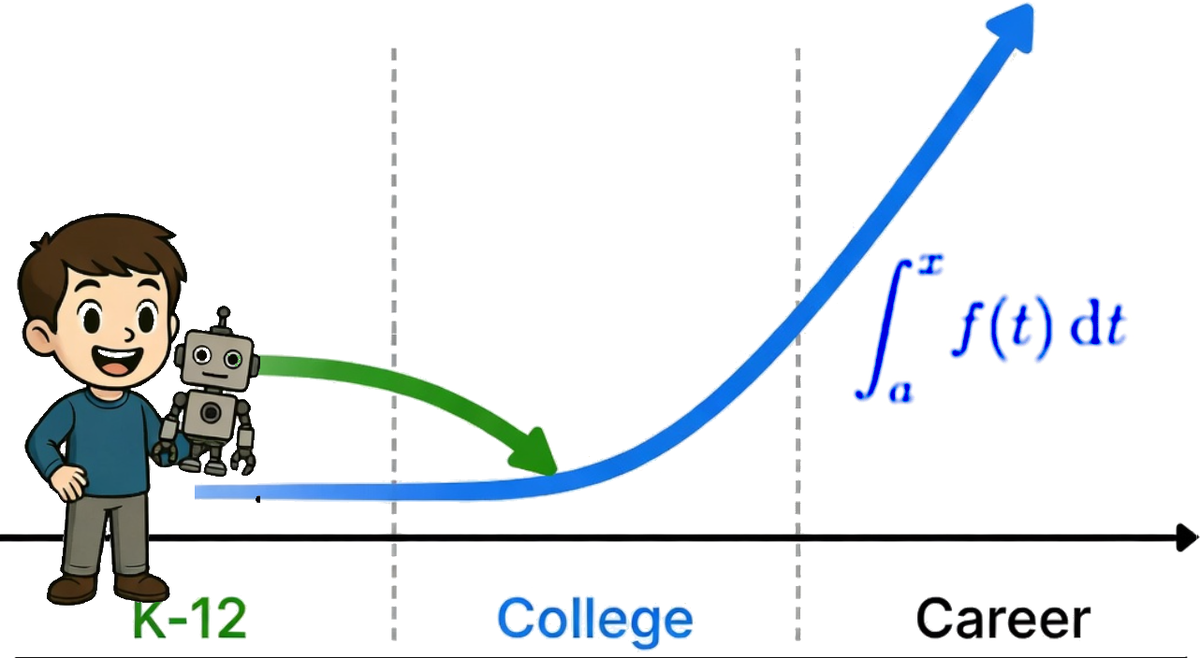
You hand a kid a robot kit and in ten minutes they’ve got it traversing the living room. “Look, you basically built a Roomba!” everybody says, and everyone's happy. The kits are cool. The competitions are exciting. The camps promise future engineers. The AI stuff feels cutting edge.
And then a few years later in their first job there's a deadline to propose a fix to management for a problem they didn't foresee and don't entirely understand.
"Why is it doing that now?"
The Fun Part Is Easy. The Engineering Part is Hard.
Most of what gets sold as “robotics education” stops at the fun part. You program the thing to go from A to B and suddenly you’re an engineer. Except real machines have cliff sensors that actually have to work with odd stairs, motor drivers that don’t catch fire, batteries that don’t swell up after six months, and protection circuits that keep static electricity from frying the whole board when the machine rolls back to its dock.
That last one is funnier than it sounds. Build a plastic vacuum that moves particles from one place to another and congratulations, you also built a Van de Graaff generator! The box charges itself up with tribocharging and then zaps its own brains when it tries to go to the charging station. Companies have lost serious money learning this the hard way.
Same story with the famous Roomba "pooptastrophe" incident in 2016. One machine, one dog, one unfortunate 2 a.m. encounter. Took the company years and a lot of engineering to stop it from happening again. The code alone didn’t fix it. Understanding how the whole system could fail did.
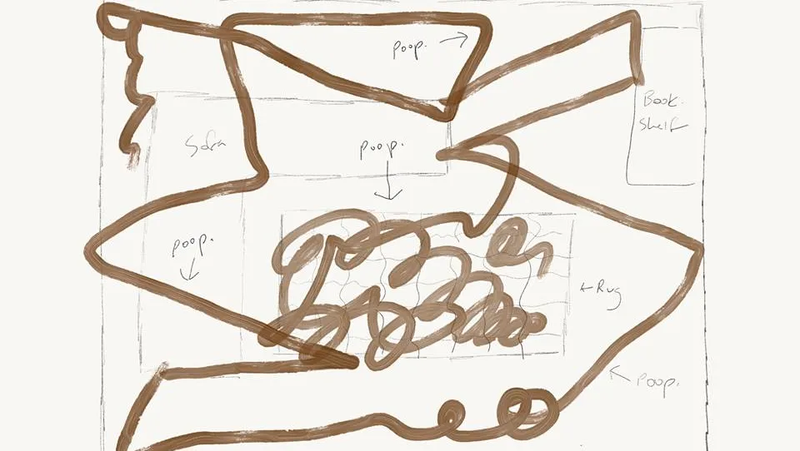
Robots Play Up the Technology and Engineering in STEM. The Science and Math Are Still Playing Catch-Up.
Robotics and coding kits have done a great job at getting kids excited about the technology and engineering parts of STEM. They get kids building things, programming them, and watching them move. That interest funnel is real and it matters.
But the literature gives us a warning.
"...students enrolled in [Pre-College Engineering Program "PLTW"] showed significantly smaller math assessment gains than those in a matched group that did not enroll, and no measurable advantages on science assessments...." Tran (2010) Pre-College Engineering Studies: An Investigation of the Relationship Between Pre-college Engineering Studies and Student Achievement in Science and Mathematics
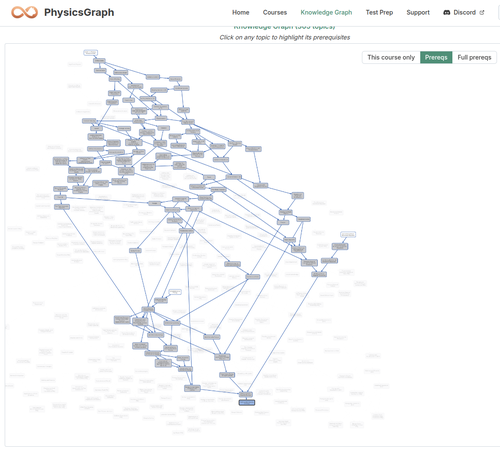
What’s been lagging behind is the actual science and math that make the technology reliable instead of just entertaining for an afternoon. Without those foundations you end up with devices that work in the demo but fall apart when real conditions show up. Accessible tools like PhysicsGraph are starting to close that gap by giving students structured ways to build the missing science and math without the usual frustration of hitting concepts they’re not ready for.
The Challenger Lesson That Is Hard to Hear
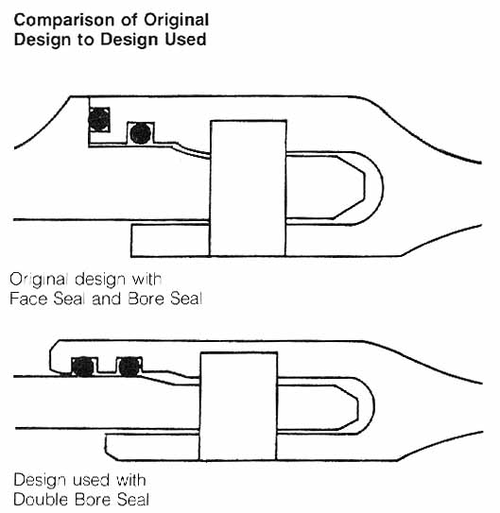
Back in 1986 the engineers at Morton Thiokol already knew the O-rings got stiff and leaky in cold weather. They had the data. The launch still happened. Temperature affects how materials behave, and when you ignore that you get spectacular, expensive, and sometimes tragic results.
The hard math and science tools help students work through thermodynamics and how temperature changes material behavior in a way that actually sticks. For example, PhysicsGraph's knowledge graph checks what someone already understands and only moves forward once the earlier pieces are solid. That prevents the common situation where a student hits a wall because a key earlier concept was never really there.
Other Options Exist. This One Fixes a Common Problem.
Khan Academy is great when you want clear videos and a gentle on-ramp. Brilliant is fun if you like clever puzzles that build intuition. Textbooks and tutors have their place too...they've worked for centuries, you know.
What sets some of the better online platforms apart is how they handle the foundation problem. Instead of letting students skip ahead and then wonder why everything feels impossible, they map out what depends on what and make sure the steps are actually solid before the next one arrives. The adaptive reviews help keep the knowledge from fading the week after the test.
Static Electricity Is Not Just a Party Trick
Basic high school physics, including the TEKS courses on platforms like PhysicsGraph, covers electric charge and fields at a level most teachers and students will recognize. You move from “things sometimes spark” to understanding why charge builds up, how fields work, and what that means for real circuits and devices. Same practical approach: short lessons, immediate practice, and the system helps keep earlier concepts from quietly going missing.
This is the difference between a kid who can make a cute robot demo and one who can look at a design and say “this is going to charge itself up and die in six months” before it ever leaves the bench.
Parents, Homeschoolers, and Teachers Actually Have Leverage Here
Homeschool families can treat tools like this as core curriculum for the science and math side instead of just another fun add-on. They get to decide whether the goal is “my kid built a robot that moved once” or “my kid understands why robots survive real conditions.” That choice is still theirs at the curriculum level.
Public school students and competition teams can use the same resources as augmentation. The robot club or FIRST team already gets kids fired up. Adding a layer of actual physics and failure analysis turns the activity from pure entertainment into something closer to real engineering practice. Teachers and sponsors don’t have to overhaul everything. They can just require teams to do basic FMEA thinking and some form of accelerated stress testing before the robots ever see the competition floor.
Perhaps a competition where every robot has to go through HALT or HASS testing first.
- HALT (Highly Accelerated Life Testing): Engineering development test designed to find product weaknesses by rapidly stepping up temperature ranges and adding vibration.
- HASS (Highly Accelerated Stress Screening): A production-phase stress screen applied to actual manufactured units, using the extreme limits identified during HALT to precipitate latent manufacturing defects
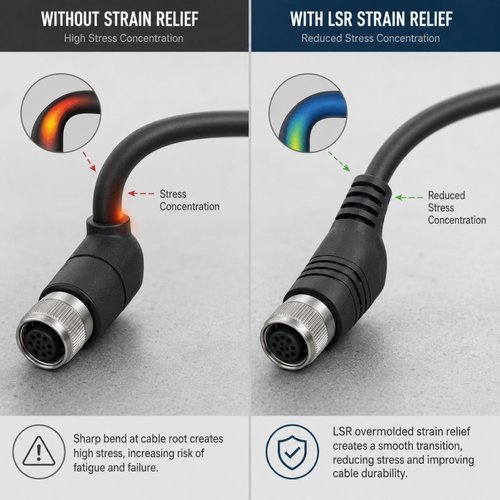
Put it through temperature cycling, vibration, humidity stress, or whatever combination makes sense for the design, then see if it’s still alive when the actual matches start. The teams that treated reliability as part of the design instead of an afterthought would suddenly have a real advantage. The ones that just threw something together for the demo would learn a very expensive lesson without anyone having to give a lecture.
That kind of requirement costs almost nothing to set up but forces the physics and systems thinking to show up. It also makes the competition itself more educational instead of just another round of “whose robot captured the flag.”
Same pattern we see with phones and laptops that get “upgraded” every couple years whether they need it or not. The flashy part gets all the attention. The boring fundamentals that actually determine whether something lasts get treated like optional extras. And this is how we cultivate a Landfill Economy.
We Keep Selling the Spark While Starving the Fuel
There’s a whole industry built around making the beginning exciting and then acting surprised when the long-term results are thin.
Mea Culpa! Pragma Media is dedicated to helping create that spark where we can with SOIC and Friends, but we also want to encourage the long haul.
The choice at the buy button, or the curriculum decision, or the competition rulebook, is still ours. We can keep feeding the version of education that stops at the spark, or we can pick the slower, more durable path that actually gives kids the tools to build things that last.
The data is clear. We already know which one produces better engineers in the long run.