
Musings from an Electrical Engineer with an Honorary Degree in Murphy’s Law

After decades of engineering work focused on keeping silicon alive in the real world — learning from and teaching engineers and scientists far smarter than myself — I’ve collected a few hard-earned thoughts on education (for kids and PhDs alike), reliability in complex systems, and why we keep building more and more stuff that survives less and less time before heading to the landfill.

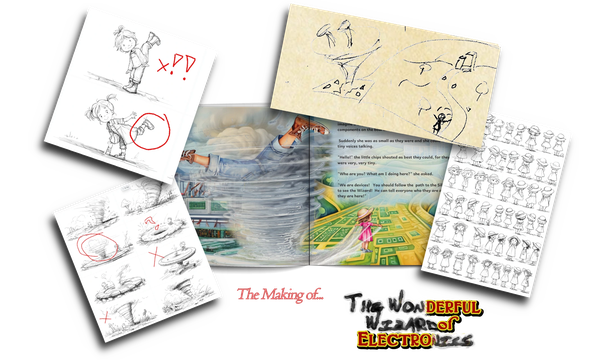
Welcome to the world of Electrostatic Discharge, Electromagnetic Compatibility, industry textbooks, and children’s picture books… the Mos Eisley of Electrical Engineering. Nobody wants to visit until their design is on fire, their product is failing in the field, and they suddenly need a pilot and a fast ship to fly them past their Darth Vaders.

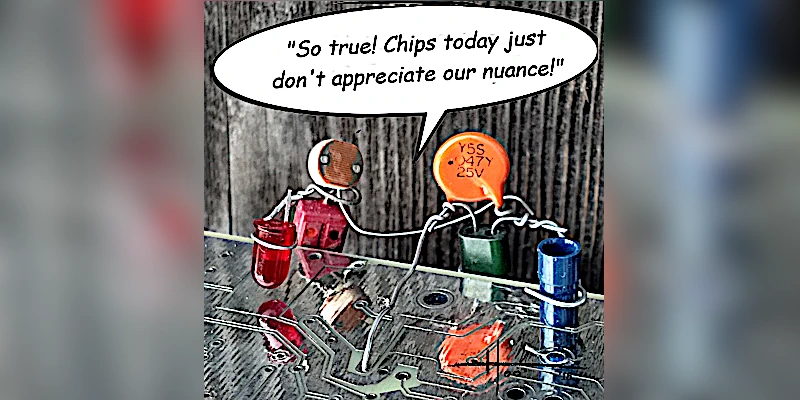
20190819-headshots-analog-nuance-capacitors
TSSOP

We Don't Need a Microcontroller in Every Single Design

Jul 15, 2026 · Jeffrey C. Dunnihoo

I watched a kid’s eyes light up at our book fair when a simple J-FET transistor switched an LED with nothing but static electricity from a rubbed plastic cup. No code, no battery switch, no microcontroller. That moment is scarce. We’ve convinced a generation or more that every blinking light needs software and a 32-bit brain. My day job fighting reliability battles in real silicon has taught me otherwise.

Read more
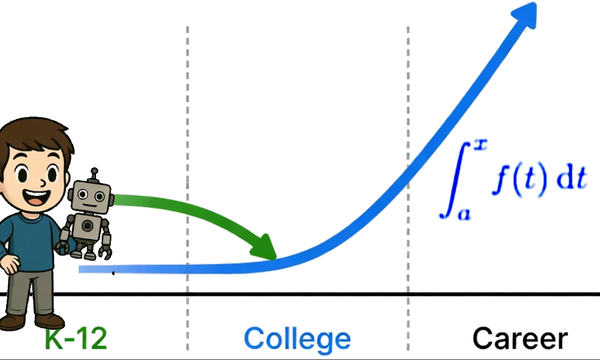
Robots vs Calculus

From Robot Kits to Real Engineering: The Spark and the Fuel

Jul 15, 2026 · Jeffrey C. Dunnihoo

You hand a kid a robot kit and ten minutes later they’ve "pretty much built a little Roomba" and everyone cheers. But a few years later they’re in their first job staring at a real production problem they don’t understand, wondering why it only fails on Tuesdays. After decades designing hardware that has to survive the real world, I’ve learned the hard part isn’t the fun proto: it’s the physics and math in the design, and failure analysis of the disaster that make things actually work when it counts.

Read more
1280px-Cuddling_with_multiple_devices

Resist the Landfill Economy: How to Fight e-Waste

Apr 21, 2026 · Jeffrey C. Dunnihoo

A version of this article appeared in the Spring 2025 SEA Homeschoolers Magazine

By choosing durable devices, repairing instead of replacing, and slowing the upgrade cycle, families can significantly reduce their e-waste footprint and push back against planned obsolescence. Don't litter the world with dead laptops, old washing machines and...protest signs that don't address the real problems!

Read more